US Automakers Urge Congress to Ban Chinese Connected Vehicles
Major automakers push for a permanent ban on Chinese connected vehicles and tech in the US, citing security risks and market threats. Learn about the industry's stance and implications.
Source: CNBC
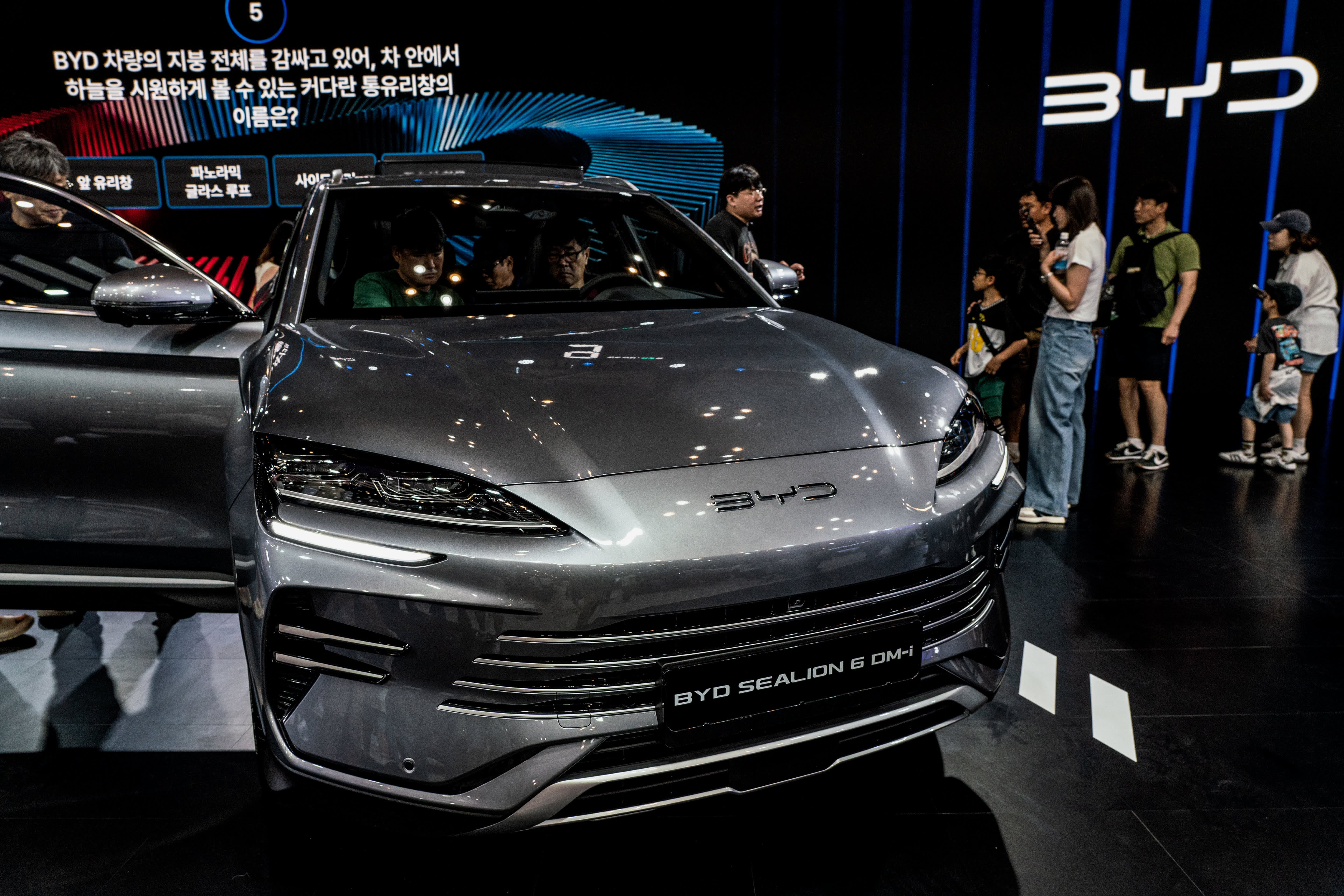
The push to keep Chinese-made connected vehicles and technology out of the United States is gaining momentum, with major automakers now urging Congress to act before the end of the year. The Alliance for Automotive Innovation, representing nearly every company selling cars in the U.S., has sent a letter to congressional leaders calling for a permanent ban on the sale, import, and manufacturing of Chinese connected vehicles, hardware, and software. This move underscores growing bipartisan concerns about national security and the future of the American auto industry.
The urgency comes as Chinese automakers like BYD and Geely aggressively expand into global markets, undercutting prices with subsidized vehicles equipped with advanced connected software. While these vehicles have not yet flooded U.S. showrooms, industry leaders warn that the threat is imminent. The Alliance's CEO, John Bozzella, emphasized that the scale and urgency of this challenge require a legislative response before Congress adjourns on January 3. With midterm elections looming in November, the window for action is narrow, but the stakes are high for both national security and the domestic auto sector.
Key Points
- Permanent Ban Requested: The Alliance for Automotive Innovation is asking Congress to enact a permanent ban on Chinese connected vehicles, hardware, and software in the U.S. This would cover sales, imports, and manufacturing, reflecting a comprehensive approach to mitigate risks.
- Bipartisan Support: The effort has backing from both parties, with legislation already advancing in the Senate Commerce Committee. Notably, a proposed bill could even impact Mercedes-Benz, as Chinese investors hold nearly 20% of the German automaker, illustrating the complexity of the issue.
- National Security Concerns: The primary driver is the fear that Chinese-connected technology could be used for espionage or to disrupt U.S. infrastructure. Automakers argue that a clear policy response is necessary to counter China's strategy to dominate global automotive manufacturing.
- Market Impact: Chinese rivals are flooding markets in Europe, Central America, and South America with low-cost vehicles, threatening domestic production and pricing. U.S. automakers worry that without action, similar disruptions could occur domestically.
- Industry Unity: The Alliance, which includes major players like Mercedes-Benz, is seeking a balanced policy that protects member interests while addressing security risks. This suggests a nuanced approach that could involve exemptions or phased implementation.
- Timing Constraints: The current congressional session ends on January 3, and the upcoming midterm elections could shift political dynamics. This creates pressure to act swiftly, but also risks politicizing the issue.
Deep Dive Analysis
The call for a permanent ban reflects a significant shift in U.S. policy toward Chinese technology in the automotive sector. Historically, trade policies focused on tariffs and market access, but the integration of connected software and hardware in vehicles elevates the stakes to national security. This is not just about protecting jobs; it's about safeguarding critical infrastructure from potential cyber threats. The fact that even a German automaker like Mercedes-Benz could be affected highlights the global nature of supply chains and the difficulty of drawing clear lines.
From an industry perspective, the ban could have far-reaching consequences. On one hand, it protects domestic automakers from unfair competition, as Chinese companies benefit from government subsidies and lower production costs. On the other hand, it risks isolating the U.S. from innovative technologies and could lead to retaliatory measures from China, affecting U.S. automakers' access to the Chinese market. The Alliance's call for a 'balanced policy' suggests they are aware of these trade-offs and seek to avoid collateral damage.
Looking ahead, the outcome of this legislative push will set a precedent for how the U.S. handles emerging technologies from strategic rivals. If the ban passes, it could embolden similar actions in other sectors, such as telecommunications or artificial intelligence. Conversely, a failure to act might be seen as a green light for Chinese tech expansion. The midterm elections add another layer of uncertainty, as the issue could become a political football. Regardless, the global auto industry is watching closely, as this decision will shape the competitive landscape for years to come.
Frequently Asked Questions
Q: Why are Chinese connected vehicles considered a security threat? A: The concern is that Chinese-made hardware and software could contain backdoors or vulnerabilities that allow remote access or data collection, potentially compromising U.S. national security. Automakers argue that a permanent ban is necessary to prevent these risks.
Q: How would this ban affect foreign automakers like Mercedes-Benz? A: The proposed legislation could impact any automaker with significant Chinese investment, as seen with Mercedes-Benz, where Chinese investors hold nearly 20% of the company. The Alliance is advocating for a balanced approach to avoid unintended consequences for its members.
Q: What happens if Congress doesn't act by January 3? A: If no action is taken, the issue would carry over to the next Congress, but the midterm elections could change the political landscape, making the outcome less certain. Automakers are pushing for a decision before the session ends to ensure policy continuity.
Source: https://www.cnbc.com/2026/09/03/chinese-vehicles-congress.html
Related posts

COP17: Critical Moment for Biodiversity Framework Implementation
As the Kunming-Montreal Global Biodiversity Framework faces implementation challenges, COP17 must deliver concrete solutions to address funding gaps, subsidy reforms, and global cooperation.
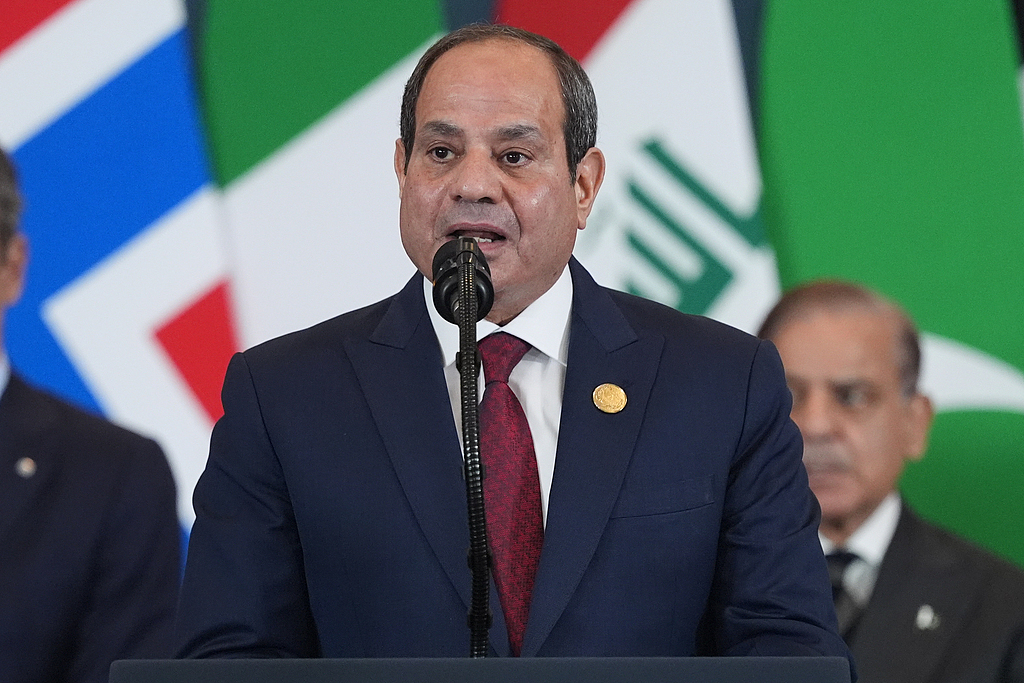
Iran's Deep Involvement in Yemen Conflict and Egypt's Potential Military Intervention
Saudi Arabia faces critical shortages in air defense due to Houthi attacks, prompting urgent requests for help. Reports reveal Iran's intelligence support for Houthi strikes, while Egypt prepares to defend Saudi sovereignty.
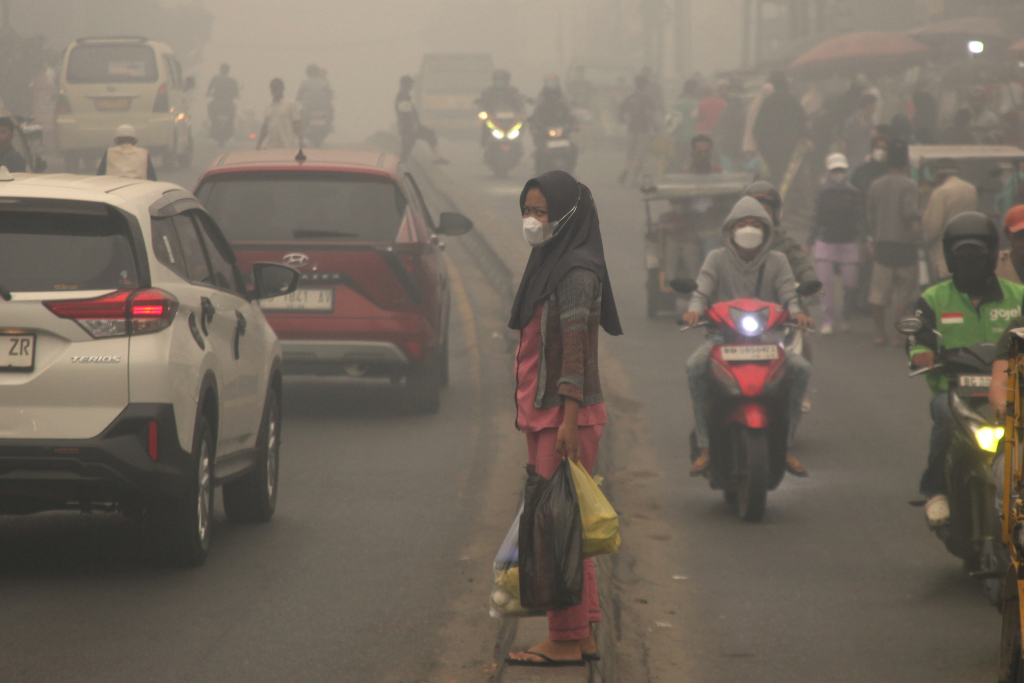
Haze from Kalimantan Forest Fires Reaches Jakarta Sky
Smoke from massive forest fires in Kalimantan, Indonesia, has drifted over the capital, Jakarta, creating hazardous air quality conditions and affecting neighboring Singapore and Malaysia.

France Protests 2026: Mass Demonstrations Over Living Costs and Education
Hundreds arrested in France as millions march against fuel prices, education cuts, and public service reforms. Explore the latest updates.
Trump Signs Executive Order to Waive Key Sanctions on Russia Amid Energy Crisis
Trump administration exempts major parts of the Graham Bill, including 500% tariffs on Russian imports, to stabilize domestic fuel markets.

LDP Senior Official Visits Yasukuni Shrine Amid Rising Regional Tensions
Analysis of the recent high-profile visits to Yasukuni Shrine by Japanese LDP leadership, including Katsunobu Kato and Masako Okada, and their implications for regional diplomacy.

Merck CEO: Cancer Vaccine Production Timeline to Shorten
Merck and Moderna's personalized cancer vaccine is evolving. CEO Rob Davis discusses speeding up the six-week manufacturing process to reach more patients sooner.

Porsche Unveils Mission S Concept: New Flagship Design Direction
Porsche reveals Mission S concept car previewing new design language and positioning above iconic 911 as part of turnaround strategy.
Latest Articles
- AI Startup Bankruptcies: The Reverse Acquihire Trend Explained
- IMF Secretary-General Warns: Strait of Hormuz Risks Remain High Amid Rising Attacks
- Trump's AI to SI Rename: Political Theater or Tech Revolution?
- KFC Switches to Coca-Cola After Decades-Long Partnership with Pepsi
- Netflix Appoints Peter Rice as New Chief Content Officer to Revitalize Strategy
- Nike's India Campus Strategy Amid China Sales Decline