GM Bets on Sodium-Ion Batteries to Cut U.S. Reliance on China
GM is developing next-generation battery cells, including sodium-ion chemistry with Peak Energy, to build a domestic U.S. supply chain and reduce dependence on China.
Source: CNBC
General Motors is quietly rewriting its battery playbook, and the timing is no accident. As Washington escalates pressure on automakers over Chinese supply-chain ties, GM says it is developing next-generation cells designed to be sourced domestically from the start. The strategy touches both energy storage and future electric vehicles, and it signals how the EV industry may split into two competing supply-chain blocs.
Key Points
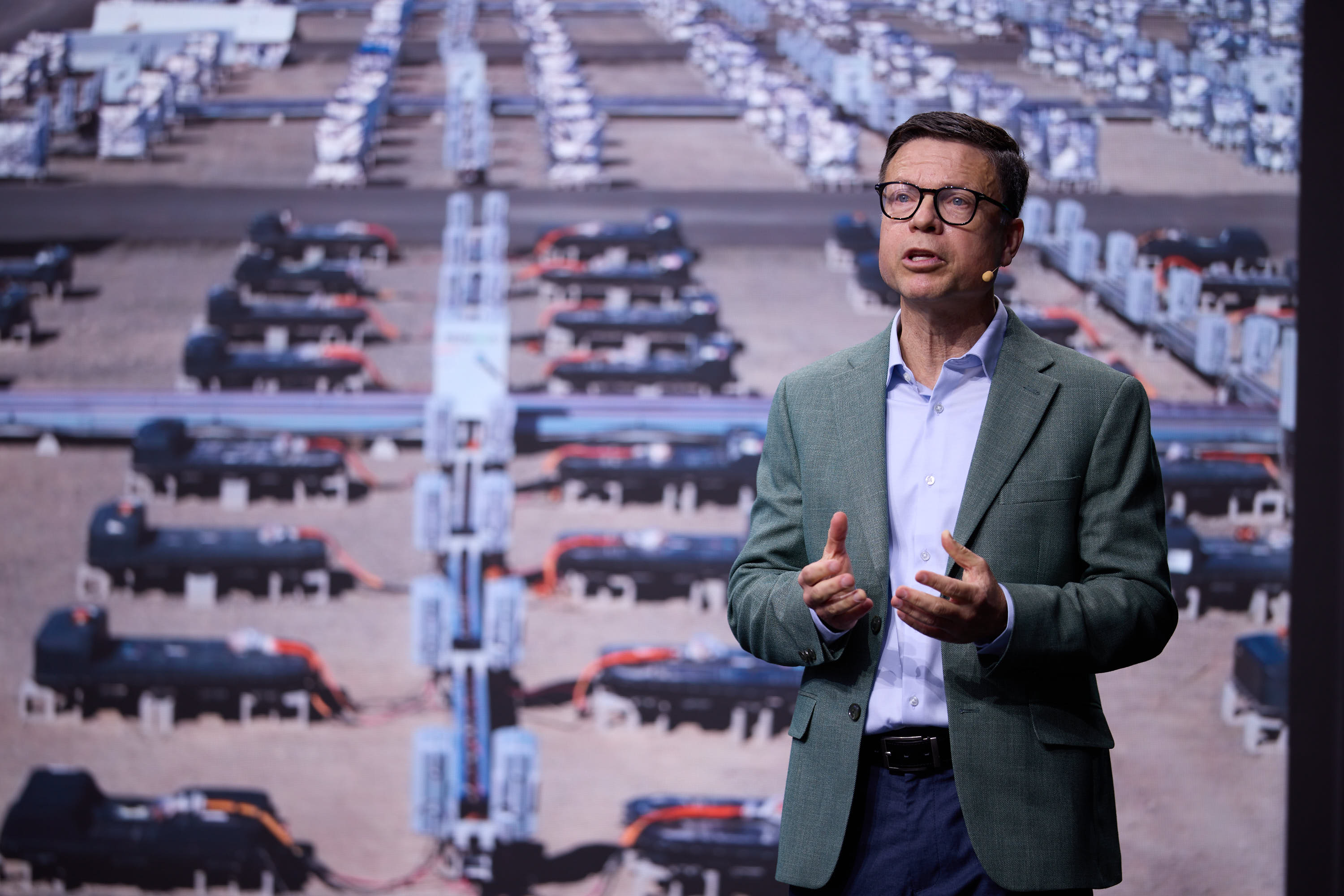
- Domestic-first battery plan: Kurt Kelty, GM's vice president of battery and sustainability, told CNBC the company is developing a supply chain that could be domestic within two to three years. The aim is to have U.S.-sourced cells ready when the products reach market, rather than relying on imports.
- Sodium-ion partnership with Peak Energy: GM has teamed up with Denver-based startup Peak Energy to develop sodium-ion battery cells, targeting commercial production around 2029. Sodium is far more abundant in the U.S. than lithium, which China dominates.
- Energy storage as the beachhead: The initial focus is energy storage systems (ESS) for homes, businesses and data centers, where sodium-ion's chemistry and temperature tolerance allow operation without active cooling, cutting cost and complexity.
- EVs also in scope: A GM spokesperson confirmed the company plans to similarly prioritize domestic cell production for future all-electric vehicles, not just stationary storage.
- China's chokehold on materials: The International Energy Agency reports China produces about 85% of the world's EV battery cathode active material and more than 90% of anode active material, giving it roughly 80% control of battery production.
- Ford under political fire: Days before Kelty's remarks, Transportation Secretary Sean Duffy expressed "profound concern" over Ford's China ties, specifically its licensing of CATL technology for LFP cells, despite Ford being the top U.S. vehicle producer.
- A deliberate leapfrog strategy: Kelty repeatedly said GM hopes to leapfrog Chinese battery technology rather than mimic it, arguing that catching up on existing chemistries would be too difficult. He views sodium-ion as potentially cheaper and easier than LFP.
- $900 million lab investment: GM is spending $900 million on new battery lab facilities in suburban Detroit, including a 500,000-plus-square-foot prototyping plant set to begin operations later this year.
In-Depth Analysis
GM's move is best understood as a geopolitical hedge as much as a technical one. The company is not simply trying to build a better battery; it is trying to build a battery that cannot be weaponized against it by trade policy. By anchoring sodium-ion development in the U.S. and partnering with a domestic startup, GM creates a narrative that aligns with the Trump administration's push to onshore critical supply chains. That matters because the political cost of Chinese ties is rising fast, as Ford's experience shows. Ford's CATL licensing deal may be economically rational, but it has become a lightning rod in Washington, and the contrast GM is drawing is unmistakable.
The technical case for sodium-ion is also stronger than it first appears. Sodium is abundant, cheap and geographically dispersed, and sodium-ion cells can tolerate wider temperature ranges, which reduces the need for active cooling in stationary storage. That is a meaningful cost lever for ESS operators, especially as data centers drive new demand for reliable backup power. If GM and Peak Energy can hit commercial production around 2029, they could carve out a defensible niche before the market consolidates. However, the scale of the challenge should not be understated. China's lead is not just in raw materials but in refining, cathode and anode production, and manufacturing know-how built over more than a decade. A $900 million lab investment is a rounding error against the tens of billions needed to truly loosen that grip.
The broader implication is that the global battery industry may bifurcate into a China-centric chain and a slower, more expensive Western one. Automakers will increasingly be forced to choose between cost competitiveness and political safety, and that choice will shape vehicle pricing, energy storage economics and national security for years. GM's leapfrog bet is ambitious, but it is also a recognition that incremental improvements to existing LFP chemistry will not be enough to change the balance of power. Whether sodium-ion becomes a genuine breakthrough or a well-timed political story depends on execution, and the clock is already ticking.
Frequently Asked Questions
Why is GM focusing on sodium-ion instead of lithium batteries? Sodium is far more abundant and cheaper than lithium, and China controls much of the lithium supply chain. Sodium-ion cells also handle temperature extremes better, which can eliminate costly active cooling in energy storage systems.
When will GM's sodium-ion batteries reach the market? GM expects commercial production with Peak Energy around 2029. In the meantime, it continues producing other battery chemistries for storage and EVs, some of which still rely on materials from China.
How does this compare with Ford's approach? Ford has licensed LFP technology from China's CATL, which drew criticism from the Trump administration. GM is positioning its domestic sodium-ion strategy as a more politically and strategically independent alternative.
Source: https://www.cnbc.com/2026/09/12/gm-us-battery-development-ford-china-ties.html
Related posts
Coca-Cola Raises Full-Year Outlook Despite North America Demand Weakness
Coca-Cola beats Wall Street expectations with strong Q3 2026 results, raising its full-year earnings outlook for the third consecutive quarter despite flat volume in its home market.

Democratic Republic of Congo Ebola Cases Surpass 10,000 Amid Largest Outbreak in History
The Democratic Republic of Congo faces its worst Ebola outbreak on record with over 10,000 confirmed cases and nearly 5,000 deaths, raising global health concerns.

Serbia Election 2026: Student-led Coalition Wins Majority with 52.7% Vote Share
Serbia's parliamentary election results show a historic shift. The 'Student List' secures 52.71% of the vote, winning 140 seats and forming a majority government.

Record High Child Casualties in Conflict: UN Warns of New Era of Crisis
UN reveals 24,174 children severely harmed in conflicts in 2025, marking a historical peak. Explore the devastating impact of explosive weapons and AI in warfare on child safety.
AI Risk and Global Governance: The 20% Probability Dilemma
Navigating the existential risks of Artificial Intelligence requires international cooperation. Experts warn that without binding rules, the potential for catastrophic consequences is too high to ignore.
FTC Sues Dollar General: Overcharging Shoppers Billions
The FTC and 20 states accuse Dollar General of unlawful price hikes. Discover the details of the lawsuit, the impact on low-income consumers, and what this means for the retail landscape.
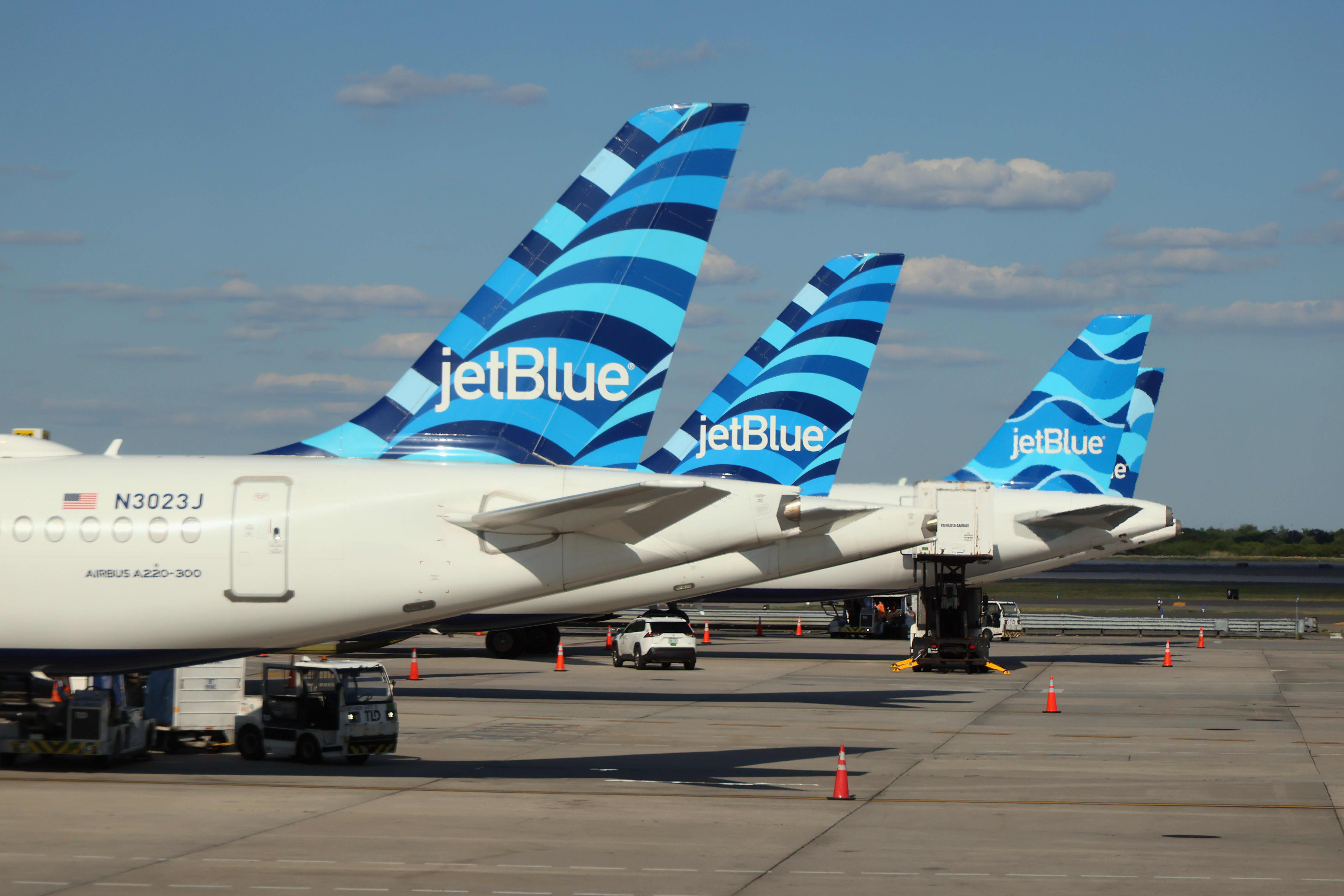
JetBlue 3Q 2026 Loss: Fuel Costs Rise 61% Despite Strong Travel Demand
JetBlue Airways reported a wider third-quarter loss driven by soaring fuel costs, but CEO Joanna Geraghty points to resilient demand and improving margins as key indicators of a successful turnaround.

Anthropic IPO: The $1.5 Trillion AI Giant's Historic Stock Market Debut
Anthropic files for an IPO valuing the company between $1.5T and $2T. Will the AI giant's record-breaking valuation withstand market volatility?
Latest Articles
- China to Send Giant Panda Ranran to Belgium for Diplomatic Relations
- Japan Deploys 25-Type Missiles in 'Kirishima' Drill, Marking Shift in Defense Strategy
- American Airlines 2026 Forecast: Slower Growth Amid Fuel Costs
- Former Japanese PM Fukuda Yasuo Dies at 90: Legacy of Diplomacy and China's Call for Responsibility
- Chinese Woman Escapes Kidnapping in Thailand After Jumping from Moving Vehicle
- Lula Wins Brazilian Presidential Election with 51.79% Vote