US Adjusts 50% Tariff Scope on Canadian Goods: What It Means
The US has revised the scope of its 50% additional tariff on Canadian products, effective Sept 15. We analyze the background, implications, and key questions.
Source: thepaper.cn
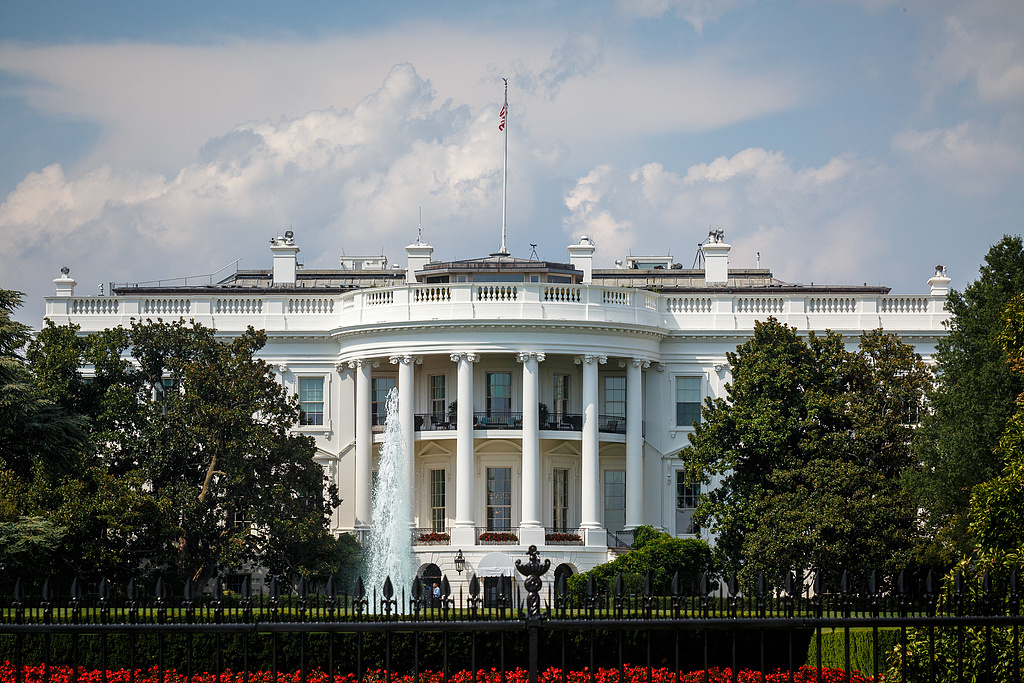
In a move that underscores the ongoing friction in US-Canada trade relations, the White House has announced a significant adjustment to the 50% additional ad valorem tariff on certain Canadian goods. The revised scope, set to take effect on September 15, 2026, comes after a review of the tariff's impact. This development is more than a bureaucratic tweak—it signals a recalibration in a high-stakes trade dispute that could have ripple effects across North American supply chains.
The original tariffs were a response to what Washington deemed discriminatory measures by Canada in the automotive sector, burdening US commerce. Now, the US government claims that adjusting the product coverage will achieve the same offsetting effect while better serving the public interest. But what exactly has changed, and why does it matter? Let's break down the details.
Key Details of the Tariff Adjustment
- What Changed: The US is modifying the list of Canadian products subject to the 50% additional ad valorem tariff. Some products will be added, while others will be removed, based on an updated annex to the proclamation. The exact product list is not publicly detailed in the announcement, but the change is effective from 12:01 AM ET on September 15.
- Background: The tariffs stem from a dispute over Canadian automotive measures that the US says discriminate against American businesses. The original 50% tariff was imposed to counteract these measures, and this adjustment is a follow-up after evaluating the tariff's effectiveness.
- Rationale: The US government states that the revised scope will still offset the burden on US commerce, but with a product mix that is "more in line with the public interest." This suggests a strategic fine-tuning rather than a wholesale retreat.
- Effective Date: The new scope applies to goods entering the US or withdrawn from warehouse on or after September 15, 2026. This gives businesses a short window to adjust their supply chains.
- Political Context: The announcement comes from President Trump's administration, reflecting a continued use of tariffs as a negotiating tool. It also follows a pattern of targeted measures against Canada, which has been a key partner in the USMCA trade agreement.
- Potential Impact: For Canadian exporters, this means uncertainty—some may see relief if their products are removed from the list, while others may face new tariffs. US importers and downstream industries, particularly in automotive and manufacturing, will need to monitor the updated list closely.
In-Depth Analysis
This adjustment is not an isolated incident but part of a broader pattern of US trade policy under the Trump administration, which has frequently used tariffs to pressure allies and adversaries alike. The initial 50% tariff on Canadian goods was already an escalation, and this revision suggests that the administration is listening to feedback from domestic industries that may have been hurt by the broad application. By narrowing or shifting the product coverage, the US aims to maintain leverage while minimizing collateral damage to its own economy.
The automotive sector is at the heart of this dispute. Canada's measures, which the US deems discriminatory, likely involve local content requirements or subsidies that favor Canadian production. The US response with tariffs is intended to level the playing field, but the adjustment indicates that the original list may have hit products where US companies rely heavily on Canadian inputs, causing unintended harm. The new list likely targets products where alternative sources are more readily available, or where the tariff burden falls more on Canadian producers than US consumers.
Looking ahead, this could be a precursor to further negotiations. The US may be signaling flexibility, which could open the door for Canada to offer concessions in the automotive sector. However, the short implementation timeframe suggests that the US is not backing down; it is merely recalibrating its approach. For businesses, this means that trade compliance and supply chain diversification have never been more critical. The uncertainty created by such adjustments can deter investment and lead to higher costs, which may ultimately be passed on to consumers.
From a broader perspective, this move reflects the fragility of trade relationships even among close allies. The USMCA was hailed as a modern trade agreement, but disputes like this show that enforcement mechanisms are still being tested. The outcome of this tariff adjustment could set a precedent for how similar disputes are resolved in the future.
Frequently Asked Questions
Q: Will this tariff adjustment affect all Canadian goods? A: No, it only affects a specific list of products that are subject to the 50% additional ad valorem tariff. The US government has revised the scope, meaning some products are added and others removed, but the exact list is not publicly available in the announcement. Businesses should consult the official proclamation for details.
Q: Why did the US make this change? A: The US government says it reviewed the impact of the tariffs and determined that adjusting the product coverage would still offset the burden on US commerce caused by Canada's automotive measures, while better serving the public interest. This suggests a strategic move to minimize unintended economic consequences.
Q: What should Canadian exporters do now? A: Canadian exporters should immediately check whether their products are on the updated tariff list. They should also consult with trade attorneys or customs brokers to understand the implications and consider adjusting their supply chains or exploring alternative markets to mitigate risks.
Source: https://www.thepaper.cn/newsDetail_forward_34036048
Related posts

Israel Imposes Total West Bank Blockade After Hebron Attack
Israel orders a full siege of the West Bank following a deadly attack in Hebron. Here is the analysis of the escalation and the implications for regional security.

Russia Starts Diesel Exports to US: Geopolitical Shifts Ahead
Russian President's spokesperson confirms first oil tanker heading to the US, marking a significant shift in energy markets and sanctions.

Peru Allocates $1.8 Billion to Combat El Niño and Economic Headwinds
President Kina Fujimori announces a massive fiscal stimulus to address climate crises, fuel costs, and infrastructure needs in 2027.

Trump Demands SpaceX Lift Starlink Restrictions for Ukraine Amid Geopolitical Tensions
President Trump expressed dissatisfaction with SpaceX CEO Elon Musk over throttling Starlink services, demanding the removal of speed limits to aid Ukraine's defense capabilities against Russian drones.

Louvre, Orsay Museums to Close on Oct 24 Amid Paris Protests
Paris museums including the Louvre and Orsay will close on Oct 24 due to planned demonstrations. Here is what you need to know about the closures and the ongoing unrest.
Moderna Cancer Vaccine Shows Promise Despite Stock Drop After Data Leak
Moderna's personalized cancer vaccine demonstrates significant efficacy in melanoma treatment, causing stock market volatility despite positive clinical results.

Wall Street Titans Debate AI Bubble: Internet Era or Long-Term Winner?
Citadel, BlackRock, and Oaktree leaders clash over AI valuations. Is the tech boom a repeat of 2000, or the dawn of a new era?

Travel Advisory: Safety Alert for Saudi Arabia Due to Airport Attacks
A deadly attack at King Fahd International Airport in Dammam has caused casualties and disrupted flights. The Chinese Embassy advises citizens to avoid travel and stay vigilant amid rising security threats.
Latest Articles
- EU's Cold War Approach to China's Arctic Activities Undermines Regional Stability
- Iran's 'Father of All Bombs' Challenge to US Military Dominance
- US Israel Strike Plans Against Iran Post-Midterms: Escalation Risks
- Saudi Arabia Execution of Bangladeshi Workers: Debunking the 'Honeymoon Kiss' Myth
- Southwest Airlines Cuts 2026 Profit Forecast Due to Rising Fuel Costs
- eBay 9% Workforce Cut: Strategic Shifts & AI Investment in 2026