G20 Finance Meeting Ends Without Joint Statement: America First Undermines Multilateralism
The 2026 G20 Finance Ministers and Central Bank Governors meeting in Asheville failed to produce a joint statement. Analysis of US priorities on Hormuz, global imbalances, IMF role, and debt restructuring.
Source: thepaper.cn
The 2026 G20 Finance Ministers and Central Bank Governors meeting, held in Asheville, North Carolina, on September 1, concluded without a joint statement—a rare outcome that underscores deep divisions within the world's premier economic forum. Instead, the US, as rotating president, issued a chair's summary, reflecting its own priorities. The failure to reach consensus on key issues, from shipping security to global economic imbalances, signals a broader erosion of multilateral cooperation under the shadow of 'America First' policies. This article dissects the contentious clauses that derailed the communiqué and their implications for global economic governance.
Key Points
-
Hormuz Shipping Disruption: Blame Game The US draft included a clause expressing concern over restricted navigation in the Strait of Hormuz, but it omitted any reference to US responsibility. The disruption stems from prolonged US-Iran strategic confrontation, including the US withdrawal from the JCPOA and subsequent military strikes, which pushed Iran to use the strait as leverage. By framing the issue as a general concern, the US sought to deflect its own role in the crisis.
-
Global Imbalances: Targeting China The draft called on countries to eliminate 'non-market policies and practices' that exacerbate imbalances, particularly those with excessive external surpluses. This language echoes Washington's 'overcapacity' narrative, aimed at China. However, the G20's multilateral study group, co-chaired by South Korea and Australia, had previously agreed that imbalances require joint adjustment by both surplus and deficit countries, not unilateral demands.
-
IMF Surveillance Overreach The US proposed expanding IMF surveillance to include data on 'non-market policies and practices,' a term never defined by the G20. This originates from the US Section 301 investigation into China, reflecting unilateral trade practices. The IMF's mandate under Article IV focuses on external stability, not judging domestic economic models, making this proposal a clear overreach.
-
Debt Restructuring: Shifting Burden The US emphasized the role of official bilateral creditors in sovereign debt restructuring, ignoring the G20's principle of comparable treatment among all creditors. Official bilateral creditors hold only 15% of developing countries' debt, while multilateral and private creditors hold the majority but have not participated in G20 debt relief efforts. China, as a major official bilateral creditor, has already provided significant relief, and the US proposal seems designed to pressure China further.
Chair's Summary Instead of Consensus The inability to reach a joint statement reflects a broader trend of the US prioritizing its national interests over collective action. As US Treasury Under Secretary for International Affairs Jay Shambaugh noted, the US sought a statement reflecting its priorities, but disagreements over language prevented consensus.
In-Depth Analysis
The breakdown of the G20 finance meeting is not an isolated incident but a symptom of a deeper malaise in global economic governance. The US, under its 'America First' doctrine, is increasingly using international forums to advance its geopolitical agenda, often at the expense of multilateral cooperation. This approach is counterproductive, as it undermines the very institutions designed to address global challenges that no single country can solve alone.
The Hormuz clause is a case in point. By avoiding accountability, the US not only weakens the credibility of the G20 but also hampers efforts to de-escalate tensions in the region. Similarly, the push to label China's economic practices as 'non-market' is a thinly veiled attempt to contain China's rise, but it ignores the complex structural factors behind global imbalances, including the role of the US dollar as a reserve currency and demographic differences.
The IMF surveillance proposal is particularly concerning, as it would politicize the Fund's technical role. The IMF's strength lies in its perceived impartiality, and using it to target specific countries would undermine its effectiveness and legitimacy. Moreover, the debt restructuring issue highlights a growing divide between developed and developing countries, with the latter bearing the brunt of a fragmented approach to debt relief.
Looking ahead, the failure of the Asheville meeting sets a troubling precedent for the upcoming G20 Leaders' Summit in Miami. If the US continues to prioritize its narrow interests, the G20 risks becoming a platform for confrontation rather than cooperation. This would be a loss for all, as the world faces pressing challenges from climate change to pandemic preparedness that require collective action. The onus is on the US to reconsider its approach and embrace a more inclusive, multilateralist stance.
Frequently Asked Questions
Why is the lack of a joint statement significant? It signals that the US is willing to forgo consensus to push its own agenda, undermining the G20's role as a forum for global economic cooperation. This could lead to a more fragmented and less effective global governance system.
How does this affect China? The US proposals were clearly aimed at China, from labeling its economic practices as 'non-market' to shifting blame for Hormuz disruptions. This reflects a broader strategy of economic containment, which could lead to increased tensions and trade disputes.
What are the implications for developing countries? The US stance on debt restructuring could shift more burden onto official bilateral creditors like China, while private and multilateral creditors remain largely inactive. This could slow down debt relief efforts and exacerbate financial vulnerabilities in developing nations.
Source: https://www.thepaper.cn/newsDetail_forward_34028280
Related posts
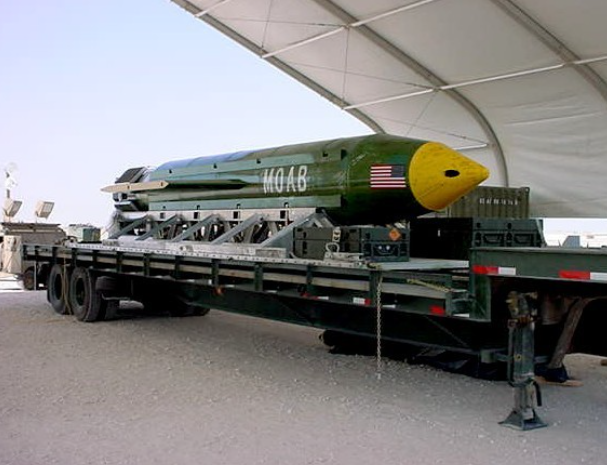
Iran's 'Father of All Bombs' Challenge to US Military Dominance
Iran announces development of 'Father of All Bombs' in response to US military threats, escalating tensions in the Middle East amid potential new military actions.
EU's Cold War Approach to China's Arctic Activities Undermines Regional Stability
China criticizes EU's new Arctic strategy for adopting Cold War mentality, warning that geopolitical tensions threaten Arctic peace and sustainable development.

Travel Advisory: Safety Alert for Saudi Arabia Due to Airport Attacks
A deadly attack at King Fahd International Airport in Dammam has caused casualties and disrupted flights. The Chinese Embassy advises citizens to avoid travel and stay vigilant amid rising security threats.

US Israel Strike Plans Against Iran Post-Midterms: Escalation Risks
US and Israel are reportedly preparing for potential military action against Iran after the US midterm elections, as tensions rise and diplomatic efforts falter.

Saudi Arabia Execution of Bangladeshi Workers: Debunking the 'Honeymoon Kiss' Myth
Fact-checking the viral claims that two Bangladeshi citizens were executed in Saudi Arabia for a honeymoon kiss. We analyze the source of the rumors and the actual circumstances of their arrest and execution.

Wall Street Titans Debate AI Bubble: Internet Era or Long-Term Winner?
Citadel, BlackRock, and Oaktree leaders clash over AI valuations. Is the tech boom a repeat of 2000, or the dawn of a new era?

Southwest Airlines Cuts 2026 Profit Forecast Due to Rising Fuel Costs
Southwest Airlines lowers 2026 profit outlook to $2.60-$2.85/share due to higher fuel prices, despite strong demand.

eBay 9% Workforce Cut: Strategic Shifts & AI Investment in 2026
eBay cuts 1,000 jobs (9%) to streamline operations amid AI spending and Depop acquisition. Analyzing the second round of layoffs and strategic pivot.
Latest Articles
- The AI Stock Boom: Goldman Sachs, JPMorgan, and Morgan Stanley's Dominance
- The 30,000 km Journey of Beijing Swifts: Understanding Transnational Bird Conservation
- Japanese Telecom Giant Admits CEO's Actions Caused Massive Mongolia Grassland Fire
- Shanghai Cooperation Organization: Strengthening Global Governance and Future Collaboration
- Nvidia CEO Jensen Huang: Europe Must Act Fast or Risk Falling Behind in AI Race
- Boeing 737 Max 10 FAA Approval: A Major Win After Years of Delays