US Labor Market Stuck in Low-Hire, Low-Fire Rut as AI Signals Emerge
US job growth slows, unemployment steady at 4.1%, but low hiring and quits signal weak confidence. AI impact visible in IT job losses. Fed rate decision looms.
Source: thepaper.cn
The US labor market is sending mixed signals. While August added 162,000 jobs and the unemployment rate held steady at 4.1%, a deeper look reveals a troubling trend: businesses are hiring less, workers are quitting less, and long-term unemployment is climbing. This 'low-hire, low-fire' dynamic suggests a cooling market that could have ripple effects on wages, career mobility, and the broader economy. With the Federal Reserve's rate decision just weeks away, the latest data adds another layer of complexity to an already uncertain outlook.
Key Takeaways
-
August job growth beat expectations but showed underlying weakness. The 162,000 new payrolls exceeded forecasts, but growth was concentrated in restaurants (+59,000) and local government education (+42,000), while healthcare added only 13,000—well below its 12-month average of 32,000. This indicates a reliance on lower-wage sectors rather than broad-based expansion.
-
The information sector lost 23,000 jobs, hinting at AI's impact. That's nearly three times the average monthly loss of 8,000 over the past year. As companies adopt automation and AI tools, white-collar roles in tech and media are increasingly vulnerable, a trend that may accelerate.
-
Workers are staying put, signaling waning confidence. The Job Openings and Labor Turnover Survey (JOLTS) showed little change in openings, layoffs, and quits in July. Historically, quits rise when workers feel confident about finding better opportunities; the current flatness suggests they don't.
-
Long-term unemployment is on the rise. Nearly 2 million Americans have been jobless for six months or more. In August, long-term unemployed (27+ weeks) made up 27% of all unemployed, up from 21% two years ago. This group faces increasing difficulty re-entering the workforce.
-
Only 33% of job seekers think it's a good time to find a quality job. A Gallup poll captures the mood: even among those actively looking, optimism is scarce, reflecting a mismatch between available roles and desired wages or conditions.
-
The white-collar job market is particularly sluggish. Blue-collar sectors like restaurants still see churn, but professional and managerial roles have become stagnant. Young workers, who often rely on job-hopping for raises, are hit hardest as this traditional path narrows.
-
The Fed faces a delicate balancing act. With inflation at 3.4% in July (up from 2.4% in February), some traders now price in a 60% chance of a 25-basis-point rate hike at the September 15-16 meeting. Yet higher rates could further dampen hiring, squeezing an already fragile market.
Political pressure adds another wrinkle. President Trump called the jobs report 'great' and demanded the Fed cut rates instead of hiking, threatening to stop trade with deficit countries if it doesn't. This unprecedented interference underscores the high stakes of the Fed's independence.
In-Depth Analysis
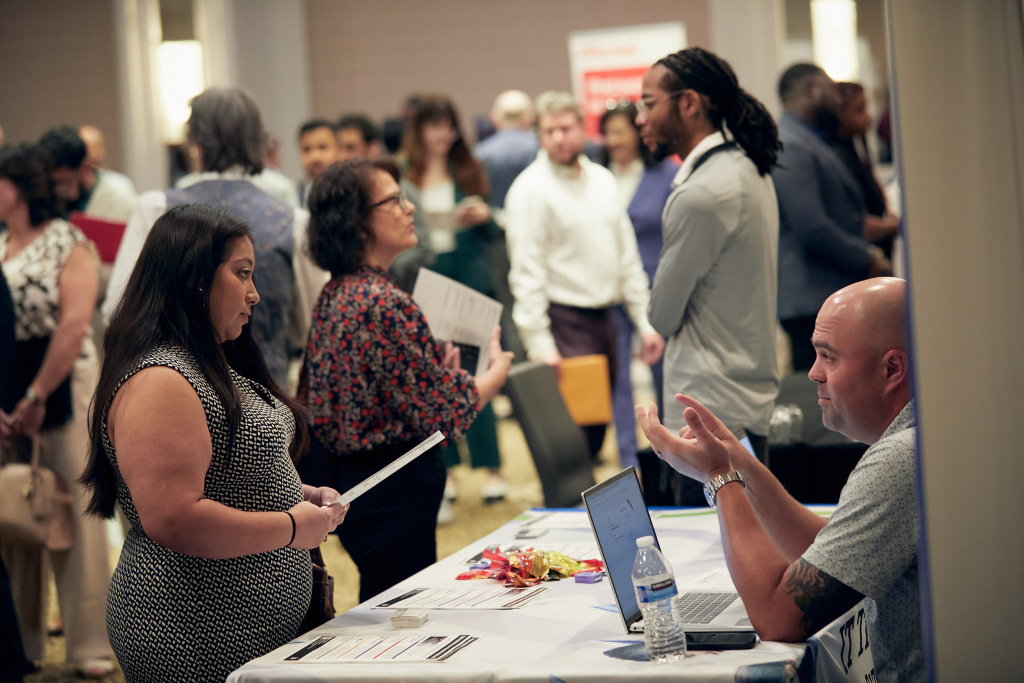
The US labor market is in a peculiar state: not bad enough to trigger mass layoffs, but not good enough to inspire hiring or job switching. This 'low-hire, low-fire' equilibrium reflects a cautious business environment where employers are uncertain about future demand, inflation, and interest rates. The AI signal in the information sector is particularly noteworthy—it suggests that technological displacement may be starting to show up in payroll data, a trend that could spread to other white-collar industries. Meanwhile, the decline in worker confidence is self-reinforcing: when fewer people quit, fewer openings are created, leading to even less churn and fewer opportunities for the unemployed. This dynamic is especially damaging for young entrants, who often need job changes to climb the salary ladder. The Fed's dilemma is acute: raising rates to combat inflation could exacerbate the labor market's stagnation, while cutting rates might fuel price pressures. The recent surge in bond yields reflects investor anxiety about long-term growth, and rising borrowing costs for mortgages, auto loans, and student debt will only add to household strain. As the Fed weighs its next move, the labor market's 'frozen' state may be the new normal, with AI and policy uncertainty acting as twin headwinds.
Frequently Asked Questions
Q: What does 'low-hire, low-fire' mean for the average worker?
A: It means job security is relatively stable, but opportunities for advancement are limited. Employers are reluctant to expand payrolls, so even if you have a job, switching to a better one becomes harder. Wage growth may stall, especially for those in white-collar roles.
Q: How is AI actually affecting jobs right now?
A: The decline in information-sector jobs is an early indicator. Companies are using AI to automate tasks like data processing, content generation, and customer support, reducing the need for human workers. This trend is likely to accelerate, hitting roles that involve repetitive cognitive tasks first.
Q: Will the Fed raise or cut rates in September?
A: It's a close call. The jobs report was better than expected, but inflation remains above target. Market odds currently favor a 25-basis-point hike, but weak labor market confidence could sway the Fed toward patience. Watch for upcoming CPI and PPI data for the final clue.
Source: https://www.thepaper.cn/newsDetail_forward_34015422
Related posts

Japan's High-profile Yasukuni Shrine Visit: A Challenge to Post-War Order
Prime Minister Sanae Takaichi and over 70 lawmakers attend the autumn festival, provoking international condemnation.

Shanghai's Cultural Renaissance: Festival, Theater, and Consortium Illuminate the City's Artistic Future
Exploring how Shanghai's 25th International Arts Festival, Grand Theater, and Performing Arts Consortium are transforming the city into a global cultural hub through innovative programming and accessible art experiences.
Netflix cuts 1,000 jobs as streaming growth slows and competition intensifies
Netflix lays off 6% of its workforce amid stagnating viewership and the rise of competitors like Skydance and YouTube.

U.S. Loosens Fuel Economy Rules: Boost for V-8 Engines and Pickup Trucks
The U.S. lowers fuel economy targets to 34.9 mpg by 2031. Automakers see a financial tailwind, leading to a resurgence of V-8 engines and a shift away from compliance-focused EV investments.

Noah Adams: NPR Icon And Voice For Rural America
Explore the legacy of NPR's Noah Adams, a master storyteller who captured the soul of rural America and shaped public radio journalism for decades.

Social Security Benefits Boost, Russia-Ukraine War Updates, And Global Geopolitical Shifts
Explore the latest Social Security increase, the strategic implications of Russia's Starshield, and the Houthis' attack on Aramco in this comprehensive global analysis.

COP17: Critical Moment for Biodiversity Framework Implementation
As the Kunming-Montreal Global Biodiversity Framework faces implementation challenges, COP17 must deliver concrete solutions to address funding gaps, subsidy reforms, and global cooperation.

Iran's Deep Involvement in Yemen Conflict and Egypt's Potential Military Intervention
Saudi Arabia faces critical shortages in air defense due to Houthi attacks, prompting urgent requests for help. Reports reveal Iran's intelligence support for Houthi strikes, while Egypt prepares to defend Saudi sovereignty.
Latest Articles
- Haze from Kalimantan Forest Fires Reaches Jakarta Sky
- France Protests 2026: Mass Demonstrations Over Living Costs and Education
- Trump Signs Executive Order to Waive Key Sanctions on Russia Amid Energy Crisis
- LDP Senior Official Visits Yasukuni Shrine Amid Rising Regional Tensions
- Merck CEO: Cancer Vaccine Production Timeline to Shorten
- Porsche Unveils Mission S Concept: New Flagship Design Direction