Ford's $1B Kentucky Investment: A Strategic Reply to Washington
Ford's $1B paint shop at Kentucky Truck Plant lands two days after DOT criticism over China ties. We break down the politics, timing, and what it signals.
Source: CNBC
When Transportation Secretary Sean Duffy publicly questioned Ford's "manufacturing integrity" and its ties to Chinese companies, the automaker had a choice: issue a press release or make a statement with steel and concrete. It chose the latter. Two days after the criticism, Ford announced a $1 billion investment in a new paint shop at its Kentucky Truck Plant — the facility it calls its most important and profitable in the world. The timing is no accident, and the subtext matters as much as the capital.
Key Facts
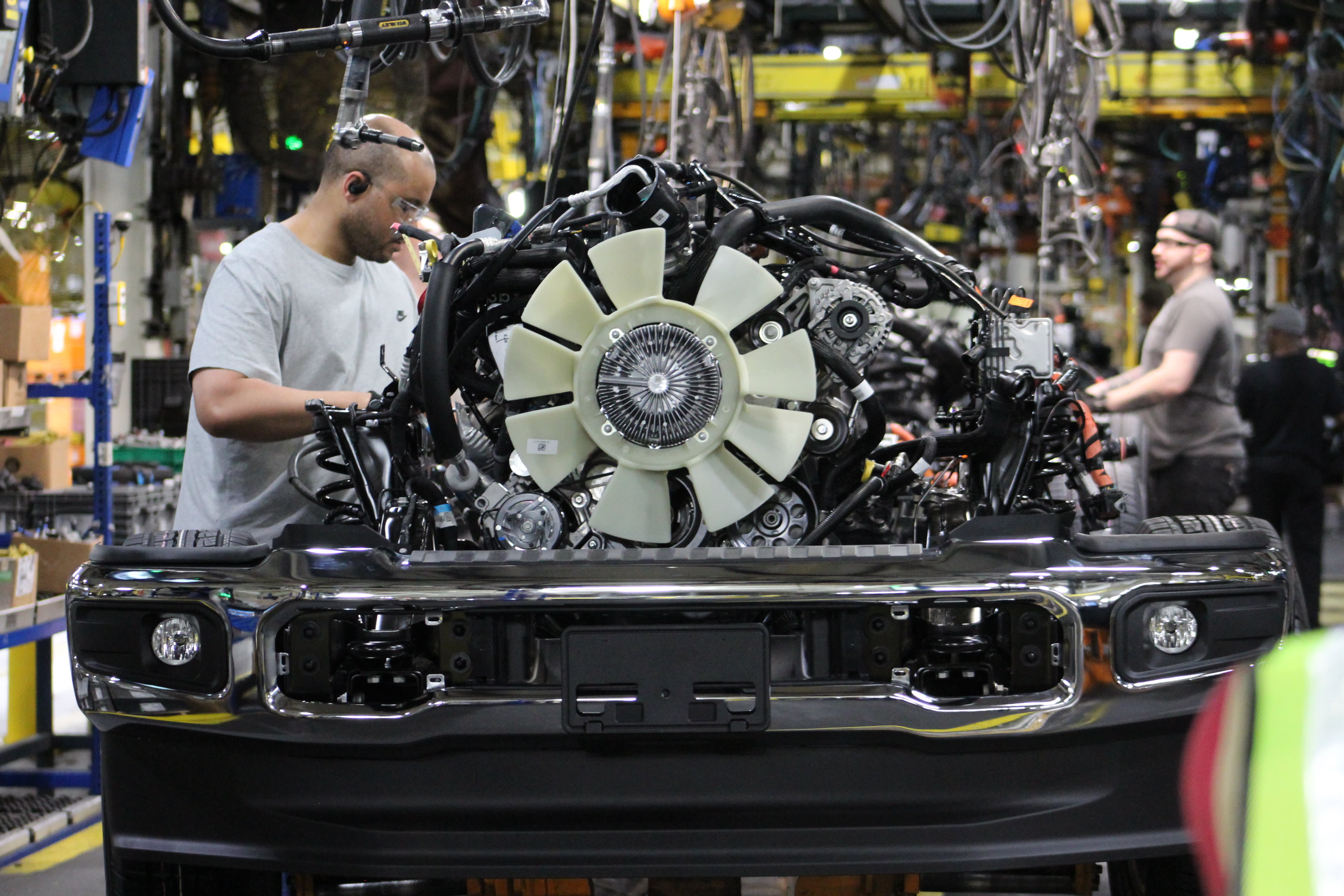
- The investment: Ford will spend $1 billion to build a new paint shop at its Kentucky Truck Plant, replacing the existing facility and further modernizing what the company describes as one of its most critical manufacturing operations. Construction is set to break ground later this year.
- What the plant builds: The Kentucky Truck Plant produces Ford's large F-250 to F-550 Super Duty trucks as well as the Ford Expedition and Lincoln Navigator SUVs — high-margin vehicles that anchor Ford's North American profit engine.
- The political backdrop: The announcement came two days after Transportation Secretary Sean Duffy sent CEO Jim Farley a letter expressing "profound concern" about Ford's U.S. manufacturing integrity and its ties to Chinese companies, which the Trump administration viewed as potentially harmful to the U.S. auto industry.
- Ford's response: The automaker pushed back hard, calling Duffy's comments a "wrongheaded attempt to capture headlines." Ford regularly touts itself as the top-producing automaker in the U.S., and the new investment serves as a tangible rebuttal.
- The context of scale: This is the latest in roughly $4 billion of announced investments in Ford's Kentucky facilities in recent years, suggesting a sustained commitment to the region rather than a one-off gesture.
- Leadership messaging: CEO Jim Farley framed the spend as proof of confidence in Kentucky's workforce and a belief that "the future of mobility and energy will be built right here in the United States."
- The political resolution: After Ford's detailed response, the White House's Rapid Response account on X posted a positive statement calling Ford "a GREAT American company" — a notable de-escalation within 48 hours.
Deeper Analysis
The sequence of events here reads less like a routine capital allocation story and more like a case study in how modern automakers manage political risk. Paint shops are among the most capital-intensive and least glamorous parts of an assembly plant — they are expensive, environmentally regulated, and rarely generate headlines. Choosing to announce one, with a specific dollar figure and a groundbreaking timeline, is a deliberate signal. Ford is essentially converting a political vulnerability into a public demonstration of domestic commitment.
The underlying tension is real, though. The Trump administration's scrutiny of Ford's China ties reflects a broader policy shift: Washington increasingly treats supply-chain exposure to Chinese partners as a national security and industrial-policy issue, not just a commercial one. For global automakers, that means any joint venture, sourcing relationship, or technology partnership with Chinese firms can become a political liability overnight. Ford's rapid, forceful response — and the White House's equally rapid walk-back — suggests both sides recognized the exchange had escalated further than either wanted.
Strategically, the Kentucky investment also reinforces Ford's bet on large trucks and SUVs. The Super Duty line and the Expedition/Navigator family are profit centers that fund the company's expensive transition to electric vehicles, which has been volatile and capital-hungry. By modernizing the plant that builds those vehicles, Ford is protecting its cash engine while signaling to investors that it can fund its EV ambitions without abandoning its most reliable business.
Looking ahead, expect this pattern to repeat across the industry. Politically charged scrutiny of manufacturing footprints is likely to intensify, and announcements of domestic investment will increasingly double as political communication. The key question for investors is whether these capital commitments translate into durable cost advantages or simply become the price of staying in Washington's good graces. Ford's $1 billion is a bet that the answer is both — and that the Kentucky plant will remain the company's most valuable asset for years to come.
Frequently Asked Questions
Why did Ford announce this investment right after criticism from the Transportation Secretary? The timing appears deliberate. By announcing a major domestic investment just two days after Duffy's letter, Ford could point to concrete action rather than rhetoric. The White House's subsequent positive statement suggests the strategy worked.
What does the Kentucky Truck Plant actually produce? It builds Ford's F-250 through F-550 Super Duty trucks and the Ford Expedition and Lincoln Navigator SUVs. Ford has described it as its most important and profitable plant globally, making it central to the company's North American earnings.
Does this investment resolve concerns about Ford's China ties? Not entirely. The $1 billion commitment addresses the domestic manufacturing narrative, but questions about supply-chain relationships and partnerships with Chinese companies are likely to persist as Washington continues to scrutinize the auto industry's global entanglements.
Source: https://www.cnbc.com/2026/09/10/ford-1-billion-investment-kentucky-plant.html
Related posts
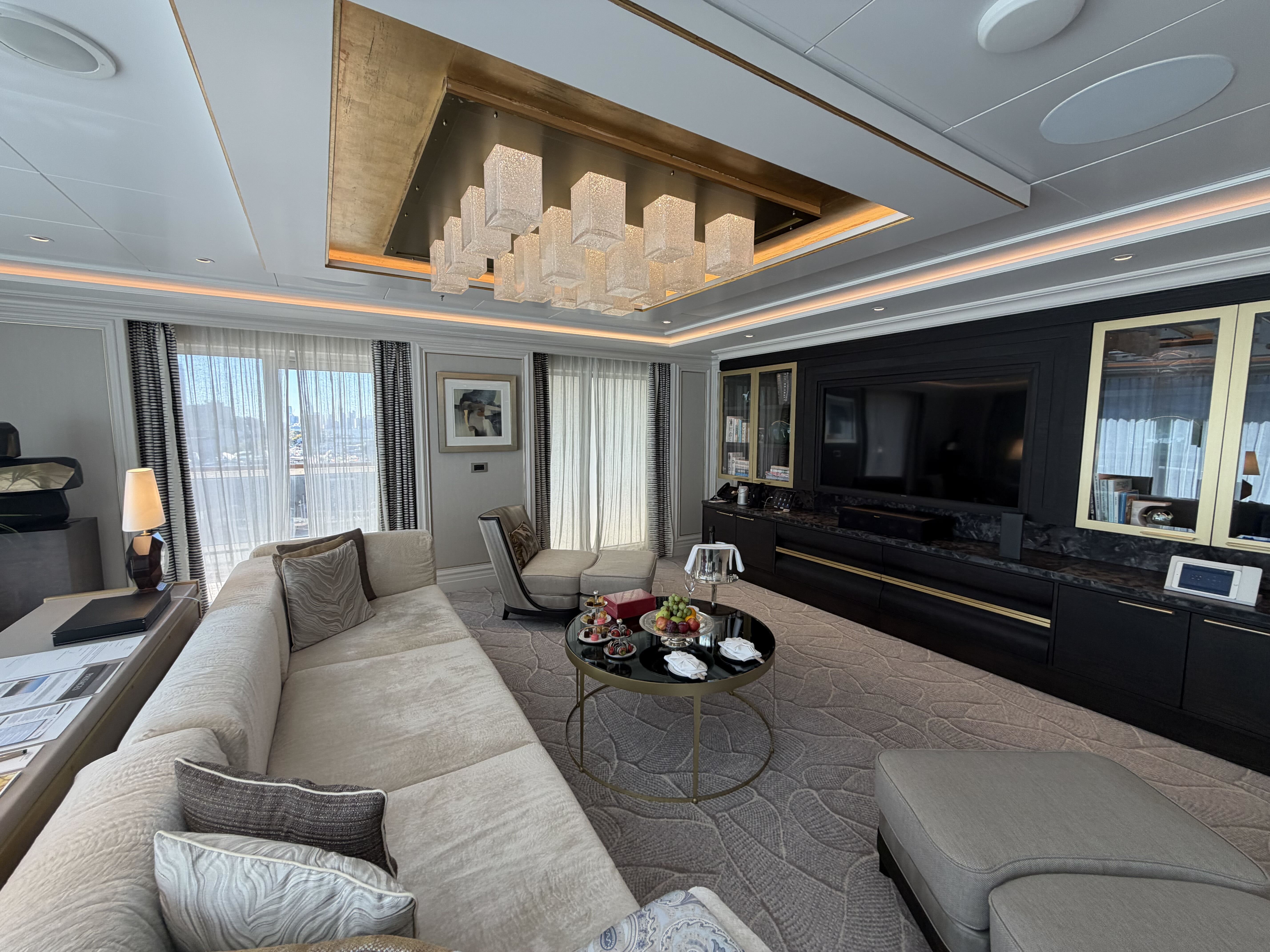
Luxury Cruise Suites: The $25,000 Night Revolution in High-End Travel
Explore the booming luxury cruise market with suites costing up to $25,000 a night. Learn how elite travel is reshaping the industry and why space and privacy are the new currency.
Wonder's Bold Vision: Texas Expansion, Automation, and User-Built Restaurants Ahead of Potential IPO
Marc Lore's food tech giant Wonder plans aggressive Texas expansion, automation push, and user restaurant platform as it considers going public with $9B valuation.
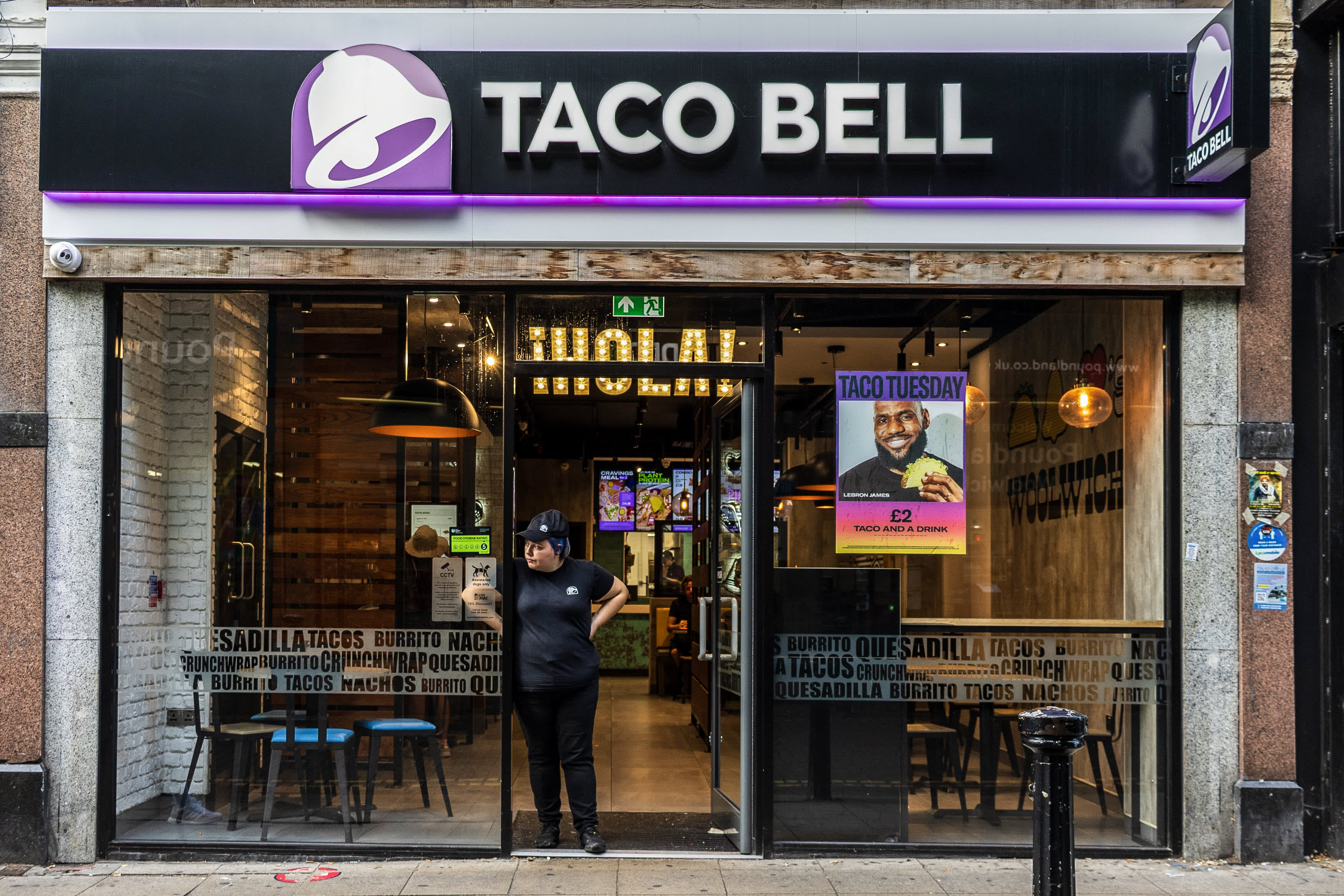
Pepsi Extends Taco Bell Partnership Despite KFC's Switch to Coke
PepsiCo renews beverage deal with Taco Bell through 2036, days after sister chain KFC switches to Coca-Cola in strategic industry shift.
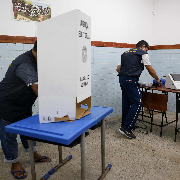
Brazil Presidential Election Runoff: Bolsonaro vs. Lula
The second round of the Brazilian presidential election begins. Two major political forces clash in a tight race.

Xi Jinping, King Philippe Celebrate 55 Years of China-Belgium Relations
President Xi Jinping and King Philippe exchanged congratulatory messages, highlighting 55 years of strategic partnership and mutual respect.
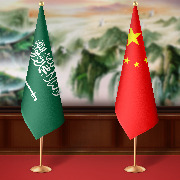
China's Middle East Envoy Holds Key Talks with Saudi Diplomatic Advisor
China's special envoy for Middle East affairs meets with Saudi diplomatic advisor to discuss bilateral relations and regional stability amid ongoing geopolitical tensions.
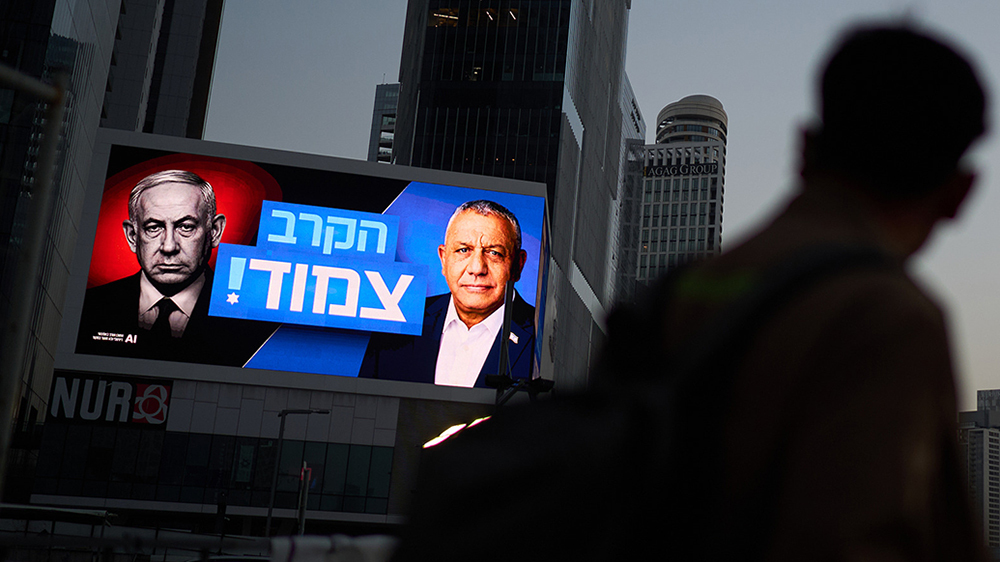
Israel Election 2026: Netanyahu Faces Historic Protests and Tight Polls
Israel's upcoming parliamentary election is a referendum on PM Netanyahu. Massive protests and tight polls signal a historic shift in Israeli politics.
US Travel Alert: Middle East Security Risks Rise Amid Iran and Houthi Threats
US State Department updates travel warnings for 13 Middle East nations. Learn about new security risks involving Houthi attacks and Iranian threats.
Latest Articles
- AI Safety Risks: Global Experts Share Solutions at 2026 Governance Forum
- UN Reform: China's 55-Year Commitment to Multilateralism
- Why Airlines Are Scrapping Brand-New Aircraft Amid Engine Shortage Crisis
- Comcast Exceeds Q3 Earnings Expectations as Media Strength Outweighs Connectivity Challenges
- David's Bridal Spins Off AI Platform Pearl for Public Listing
- Elon Musk's Billion-Dollar Bet: New Investment in Skydance Media