US Battery Supply Chain: The Steep Climb Against China's Dominance
The US invests $500M in battery tech to reduce reliance on China, but analysts say it's a drop in the bucket. Explore the challenges and what's at stake.
Source: CNBC
The United States has long recognized the strategic importance of reducing its dependence on China for batteries, a critical component in everything from electric vehicles (EVs) to renewable energy storage. In August 2026, the Department of Energy (DOE) awarded $500 million to seven companies working on battery minerals, materials, manufacturing, or recycling. This marks the first round of funding under the Trump administration for two $3 billion DOE programs originally created by the Biden-era Infrastructure Act. However, as CNBC reports, this investment is minuscule compared to the scale of China's entrenched lead. The challenge is not just about catching up in one area but overhauling an entire supply chain that China has spent decades perfecting.
Key Points
-
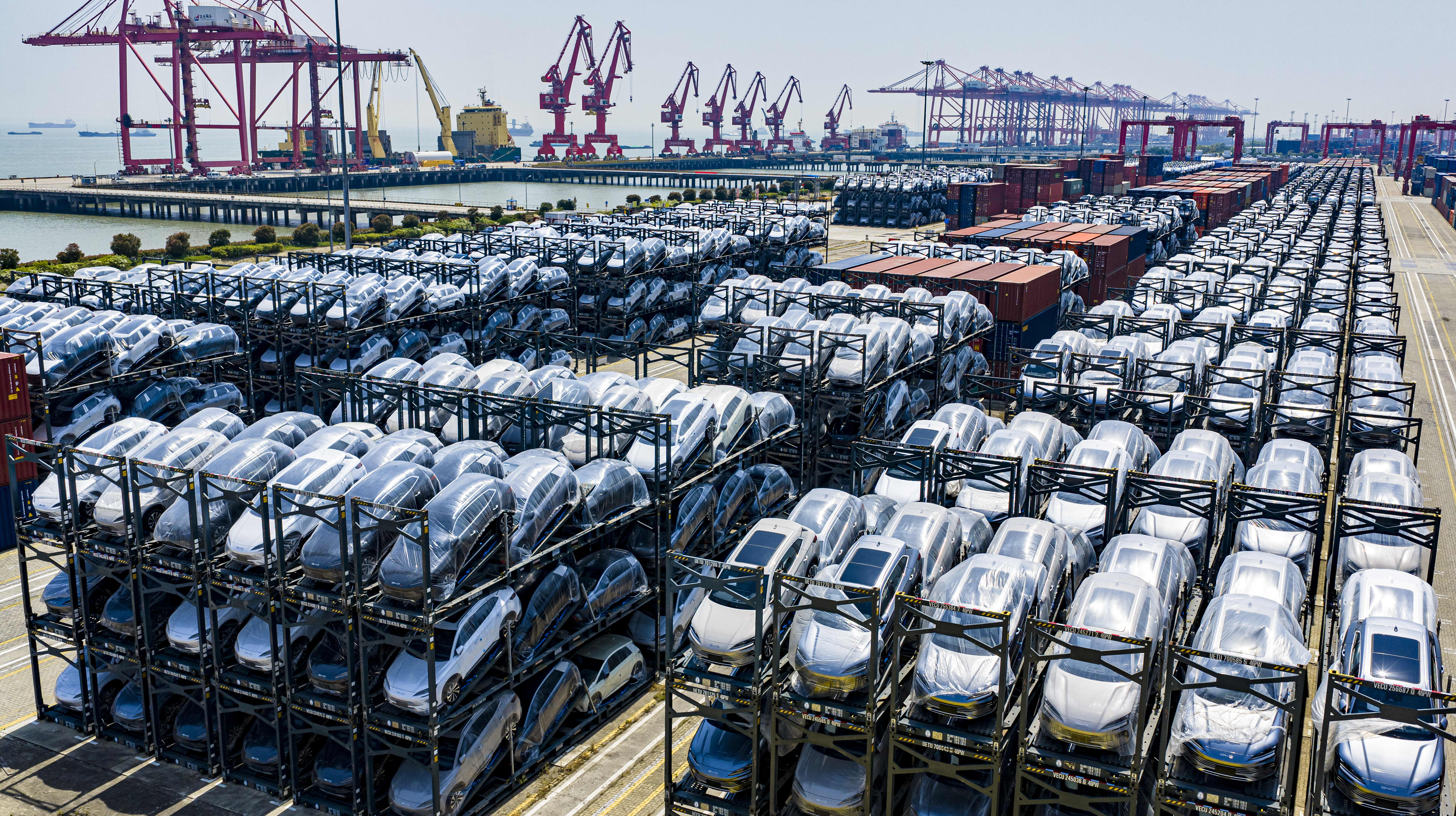
China's Grip Across the Supply Chain: China controls a majority share at every stage, from raw mineral extraction to refining, and on to manufacturing finished products like EV batteries. For instance, it produces about 85% of the world's cathode active material and over 90% of anode active material, according to the International Energy Agency (IEA). This vertical integration gives China immense leverage and cost advantages.
-
The Refining Bottleneck: While China is a major supplier of critical minerals like graphite, its true strength lies in refining and processing. The IEA notes that China's share of mineral refining has grown since 2020. In 2025, China demonstrated this leverage by imposing strict export controls on rare earths and other minerals, sending shockwaves through global supply chains.
-
DOE Funding Targets Specific Gaps: The recent grants aim to address areas where China's dominance is most pronounced. For example, Coreshell Technologies received $50 million to develop battery anodes from domestically sourced silicon instead of Chinese graphite. Lilac Solutions got $100 million for a novel method to extract lithium from brine, bypassing the spodumene processing step that is 95% concentrated in China, as CEO Raef Sully points out.
-
Scale Is China's Superpower: CATL, the world's largest EV battery maker, exemplifies this. Richard Wang, CEO of Voya Energy, notes that CATL has built an incredible lead in technology and manufacturing, making it one of the few battery companies globally that is both high-revenue and significantly profitable. This scale allows for cost efficiencies that new US entrants cannot easily match.
-
US Innovation vs. Mass Production: Tu Le, founder of Sino Auto Insights, highlights a critical gap: US startups are innovative but struggle to scale up to mass production. "Being able to mass produce them at a high quality level, repeatably in the millions of units is another thing entirely," he says. This is a fundamental hurdle for US companies trying to compete.
Policy Reversals and Market Slowdown: The Trump administration has canceled Biden-era EV tax credits and other supportive policies, leading to nearly $24 billion in announced battery projects being canceled since January 2025, according to Atlas Public Policy. This is a stark contrast to China, where new energy vehicles (including hybrids and EVs) made up 65% of new car sales in July 2026, versus about 24% in the US.
The Global Market Shift: The global lithium-ion battery market is growing, with energy storage demand averaging 70% growth since 2022. However, EVs still account for over 70% of deployment. China is capitalizing on this growth, while the US risks falling behind in the global auto market.
In-Depth Analysis
The US strategy to counter China's battery dominance is a classic David-and-Goliath scenario, but with an even steeper mountain. The $500 million in grants, while a positive step, pales in comparison to the tens or even hundreds of billions of dollars that analysts say are needed to build a comprehensive domestic supply chain. The IEA warns that the lack of investment in midstream stages in the US poses a growing risk to global supply security. The issue is not just about technology but about creating an entire ecosystem—from mining and refining to cell manufacturing and recycling—that can operate efficiently and at scale.
Moreover, the policy environment in the US is inconsistent. While the DOE is distributing funds from Biden-era programs, the administration has simultaneously cut EV tax credits and other incentives, sending mixed signals to investors. This uncertainty is detrimental to long-term planning and capital investment. In contrast, China has a cohesive national strategy that supports its battery industry from research to export, making it a formidable competitor.
Looking ahead, the US needs to focus on niche areas where it can leapfrog China, such as innovative lithium extraction or silicon-based anodes. However, these technologies must be proven at scale to have a real impact. The next five to seven years are critical, as Tu Le notes, but the window is narrowing. If the US fails to act decisively, it risks not only losing the EV race but also ceding ground in energy storage, which is vital for renewable energy integration. The stakes are high, and the clock is ticking.
Frequently Asked Questions
Why is China so dominant in battery production? China's dominance stems from decades of strategic investment in the entire supply chain, from mining to manufacturing. Its scale, government support, and control over refining processes give it cost advantages and leverage that are hard to replicate. For example, China processes 95% of spodumene, a key lithium source, making it indispensable.
What is the US doing to reduce its reliance on China? The US is funding research and development through DOE grants, focusing on domestic mineral extraction, innovative processing technologies, and alternative materials like silicon for anodes. However, these efforts are in early stages and face significant scaling challenges.
Can the US realistically catch up with China in the next decade? Analysts are skeptical. Catching up would require massive investment and a stable policy environment. While the US has innovation on its side, China's manufacturing might and supply chain integration are formidable. The next few years will be pivotal, but without aggressive action, the gap may widen.
Source: https://www.cnbc.com/2026/09/08/heres-where-the-us-is-behind-china-on-battery-technology.html
Related posts
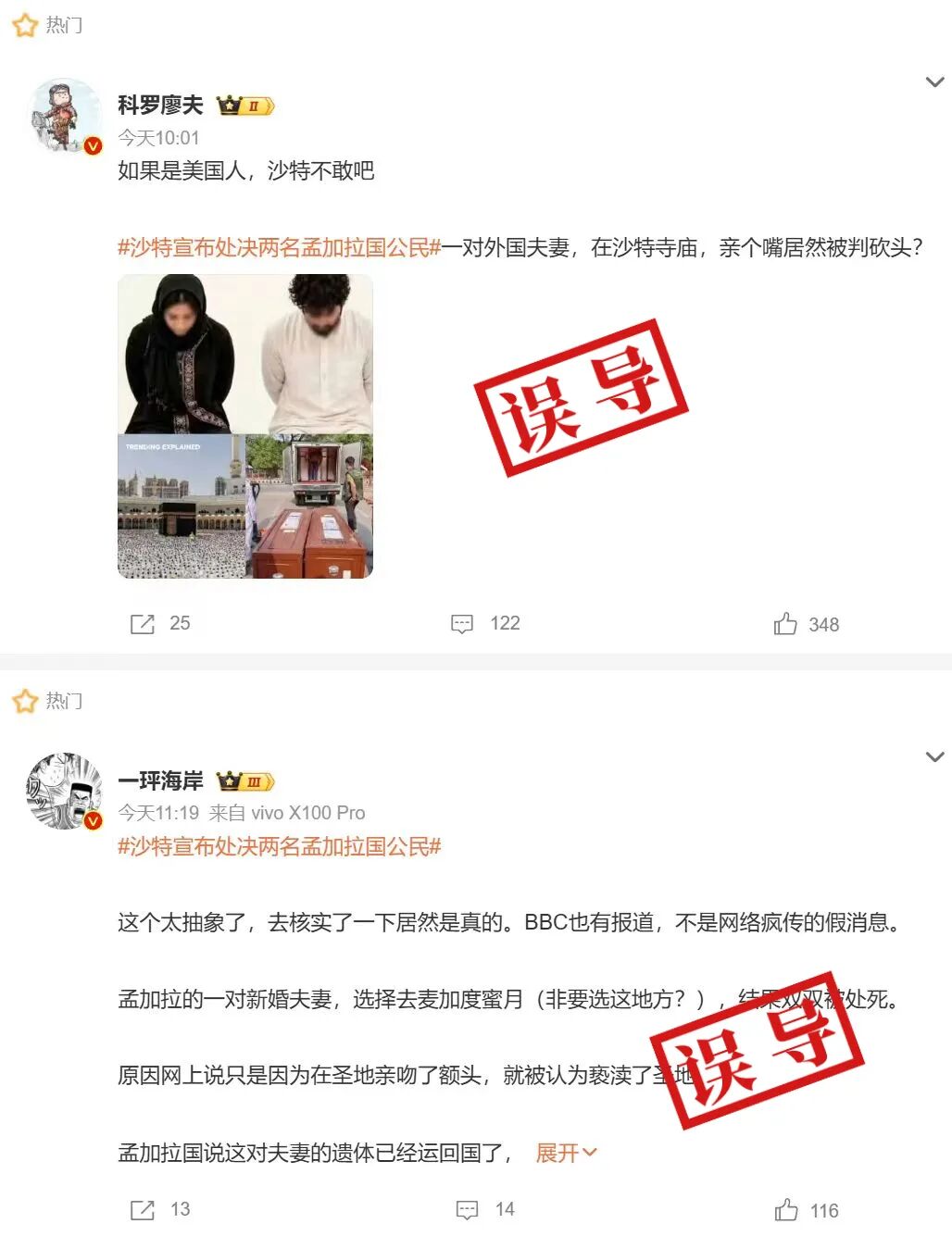
Saudi Arabia Execution of Bangladeshi Workers: Debunking the 'Honeymoon Kiss' Myth
Fact-checking the viral claims that two Bangladeshi citizens were executed in Saudi Arabia for a honeymoon kiss. We analyze the source of the rumors and the actual circumstances of their arrest and execution.

Wall Street Titans Debate AI Bubble: Internet Era or Long-Term Winner?
Citadel, BlackRock, and Oaktree leaders clash over AI valuations. Is the tech boom a repeat of 2000, or the dawn of a new era?

Southwest Airlines Cuts 2026 Profit Forecast Due to Rising Fuel Costs
Southwest Airlines lowers 2026 profit outlook to $2.60-$2.85/share due to higher fuel prices, despite strong demand.

eBay 9% Workforce Cut: Strategic Shifts & AI Investment in 2026
eBay cuts 1,000 jobs (9%) to streamline operations amid AI spending and Depop acquisition. Analyzing the second round of layoffs and strategic pivot.
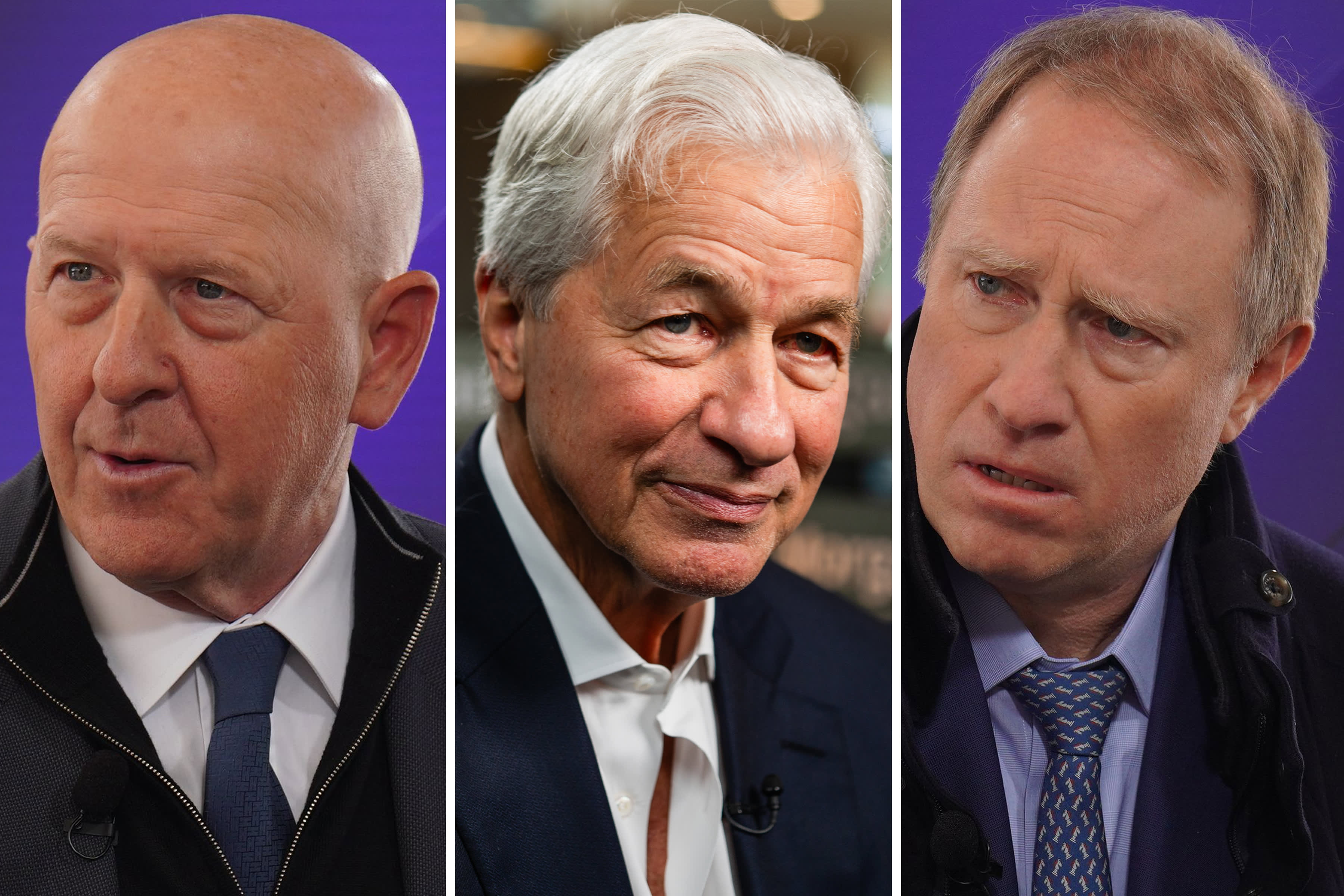
The AI Stock Boom: Goldman Sachs, JPMorgan, and Morgan Stanley's Dominance
Discover how Goldman Sachs, JPMorgan, and Morgan Stanley are leading the AI stock boom, leveraging relaxed capital rules and hedge fund lending. Explore the strategies and market trends shaping this lucrative industry.
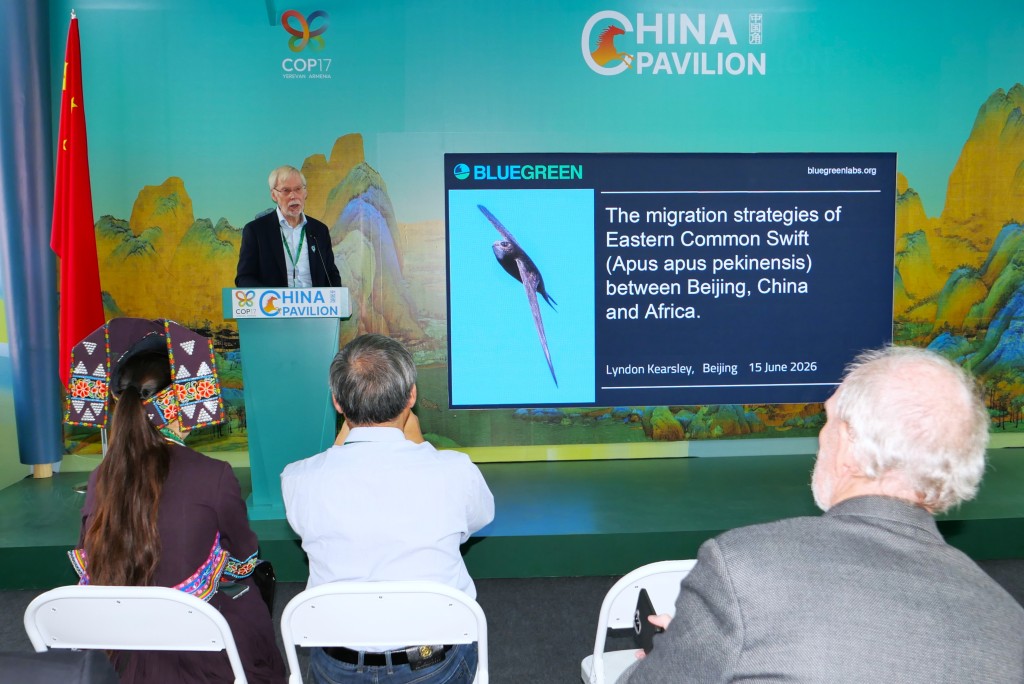
The 30,000 km Journey of Beijing Swifts: Understanding Transnational Bird Conservation
Discover how Beijing swifts' epic migration across continents highlights the critical need for international cooperation in wildlife conservation efforts.

Japanese Telecom Giant Admits CEO's Actions Caused Massive Mongolia Grassland Fire
KDDI admits its subsidiary Mobicon's CEO triggered a 530,000-hectare fire in Mongolia's Numrug Nature Reserve during a 4G trial, sparking international outrage.

Shanghai Cooperation Organization: Strengthening Global Governance and Future Collaboration
Explore Premier Li Qiang's key address at the SCO Dushanbe Summit, focusing on multilateralism, economic cooperation, and the strategic vision for the next decade.
Latest Articles
- Nvidia CEO Jensen Huang: Europe Must Act Fast or Risk Falling Behind in AI Race
- Boeing 737 Max 10 FAA Approval: A Major Win After Years of Delays
- General Motors Beats Q3 2026 Earnings Estimates, Announces $20B Buyback
- Netflix Q3 2026 Earnings: Ad Tier Growth vs. Stock Slump Analysis
- Japanese Politicians' Yasukuni Shrine Visits Spark International Concern
- Patriot Missile Holdback: Ukraine Faces Its Darkest Hour Since War Began